



Gynecomastia is the enlargement of male breast tissue caused by excess glandular tissue, localized fat, or a combination of both. For some men, the condition creates a chest that looks fuller or less defined even when diet and exercise have produced results elsewhere on the body. Gynecomastia surgery in Chicago can address the underlying tissue and create a flatter, firmer, and more masculine chest contour.
Dr. Douglas Steinbrech specializes in male aesthetics and provides individualized treatment for men seeking male breast reduction in Chicago. Because gynecomastia can present differently from one patient to another, the surgical approach is selected according to the type and amount of tissue present, skin quality, chest anatomy, and the patient’s desired result.
Patients can also learn more about Dr. Steinbrech’s male-focused approach to plastic surgery before deciding whether gynecomastia surgery is right for them.
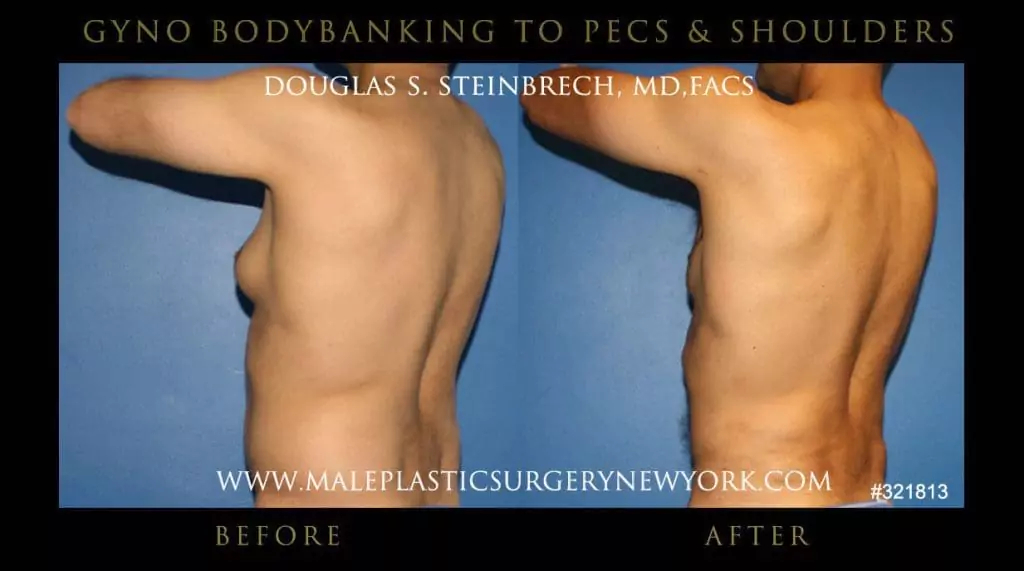
What Causes Gynecomastia in Men?
Gynecomastia can develop at virtually any age. Hormonal fluctuations involving testosterone and estrogen are a common factor, particularly during puberty and as men age, but enlarged male breast tissue can have several potential causes.
Common contributing factors may include:
- Hormonal changes
- Genetics and hereditary factors
- Certain medications
- Anabolic steroid use
- Weight fluctuations
- Certain underlying medical conditions
- Age-related changes
True gynecomastia involves glandular breast tissue and may occur with or without excess chest fat. This distinction matters because glandular tissue generally cannot be eliminated through weight loss or chest exercises alone.
Patients should be evaluated for potential medical causes before pursuing cosmetic surgery. Once those concerns have been addressed, Dr. Steinbrech can determine which approach is appropriate for creating a more masculine chest.
How Does Gynecomastia Surgery Work?
There is no single surgical technique that is appropriate for every patient. Gynecomastia surgery may involve liposuction, surgical excision of glandular tissue, or a combination of techniques.
Liposuction can be used when excess localized fat contributes significantly to chest fullness. Small incisions allow the surgeon to remove unwanted fat and improve the contours surrounding the pectoral muscles.
Glandular tissue excision may be necessary when dense breast tissue beneath or surrounding the nipple is responsible for the enlarged appearance. This tissue does not respond to diet or exercise in the same way as body fat.
Patients with substantial excess tissue or loose skin may require additional chest contouring to achieve the desired shape.
Dr. Steinbrech evaluates the chest as a whole rather than simply removing tissue. The objective of male breast reduction in Chicago is to create chest proportions and definitions that complement the patient’s shoulders, abdomen, arms, and overall physique.
Patients interested in broader physique enhancement can also explore BodyBanking® for male body contouring options that use the patient’s own fat.
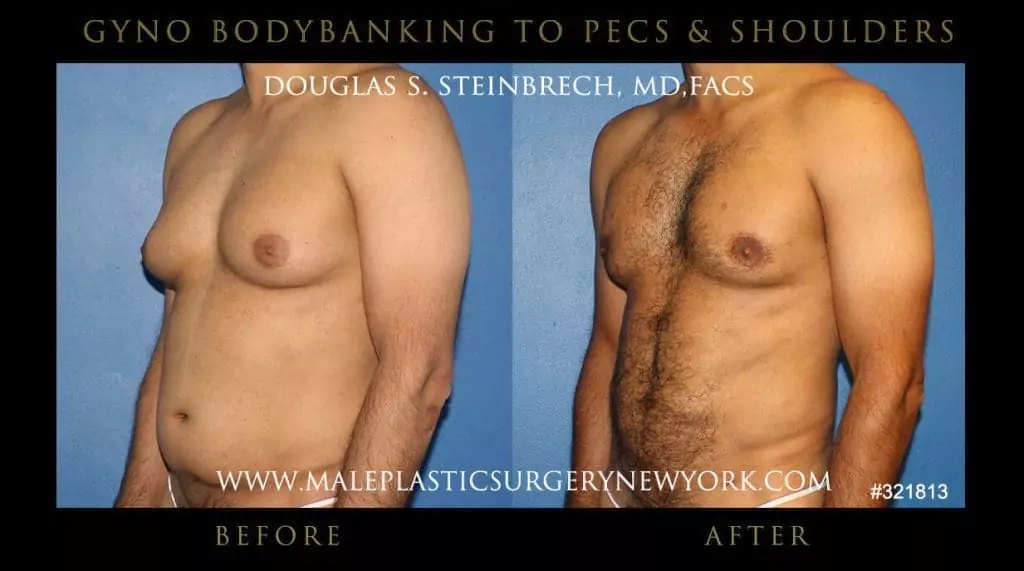
View Our Gynecomastia Before and After Video Results Here
What Does Gynecomastia Surgery Cost in Chicago?
The cost of gynecomastia surgery in Chicago depends on the extent of correction required and the surgical techniques involved. A relatively straightforward procedure focused on removing excess glandular tissue typically starts around $7,500. More extensive cases requiring additional procedures, such as a Pectopexy or chest lift, may cost $18,000 or more.
Factors that can influence gynecomastia surgery cost include the amount and type of tissue being removed, whether liposuction is required, the presence of excess skin, anesthesia, and the complexity of the procedure.
Because every patient’s anatomy is different, an exact price can only be established after an in-person evaluation and customized treatment plan.
Gynecomastia Surgery Recovery Timeline
Recovery varies according to the extent of surgery, but patients should expect swelling, tenderness, and temporary changes in chest sensation during the initial healing period.
First week: Rest is particularly important during the initial days after surgery. Patients typically wear a compression garment to control swelling and support the developing chest contour.
After approximately one week: Many patients can begin returning to work and less strenuous everyday activities, depending on the extent of their procedure and the physical demands of their job.
Following weeks: Swelling progressively decreases and the new shape of the chest becomes more apparent. Exercise and strenuous upper-body activity should remain limited until cleared by the surgical team.
Long-term recovery: The chest continues to settle as residual swelling resolves and tissues heal. Following postoperative instructions closely is essential for supporting recovery and the final result.
Dr. Steinbrech provides individualized postoperative instructions and follow-up care based on the specific procedure performed.
Gynecomastia Before and After Results
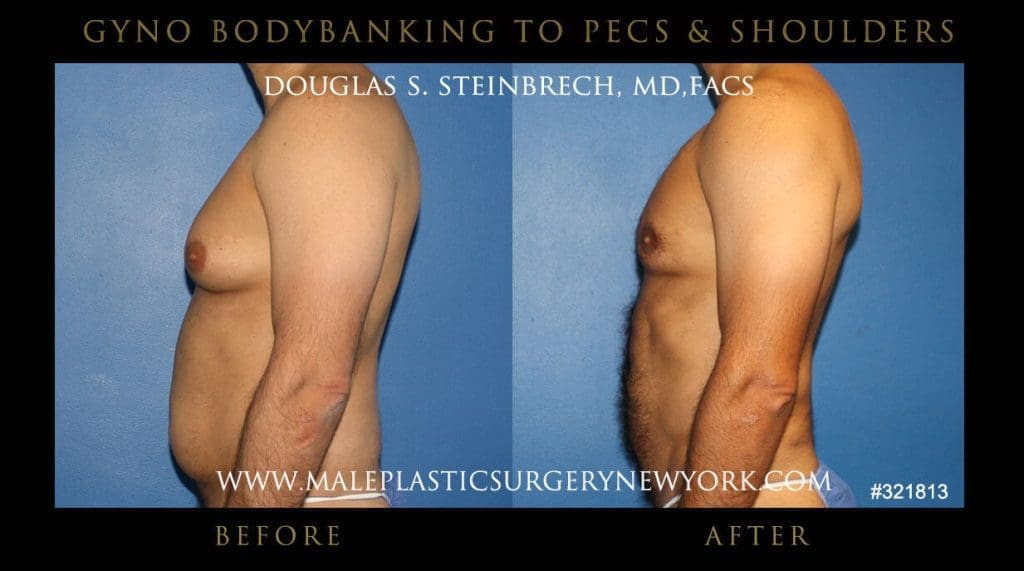
The objective of gynecomastia surgery is not simply to make the chest smaller. Male chest contouring should create a shape that looks proportional to the shoulders, abdomen, arms, and overall physique.
Because every patient’s starting anatomy is different, reviewing real results is especially useful when considering surgery. Explore our gynecomastia before and after gallery to see how male breast reduction can change chest shape and definition across different body types.
Patients researching broader transformations can also browse the before and after compilation for additional examples of male cosmetic procedures performed by the practice.
Why Choose Dr. Douglas Steinbrech for Male Breast Reduction in Chicago?
Dr. Douglas Steinbrech is a plastic and reconstructive surgeon specializing in male aesthetics. His approach to gynecomastia treatment considers not only excess tissue but also the masculine proportions and contours of the entire chest.
This male-specific focus is particularly important in breast reduction surgery. Removing too much or too little tissue can affect the shape of the chest, while appropriate contouring should complement the natural pectoral anatomy.
Patients can also learn more about gynecomastia treatments in Chicago and the different approaches available for addressing enlarged male breast tissue.
Schedule a Gynecomastia Consultation
If enlarged male breast tissue has not responded to weight loss, exercise, or other efforts, surgery may provide a more direct solution. A private consultation allows Dr. Steinbrech to evaluate whether the fullness is caused by fat, glandular tissue, loose skin, or a combination of factors and recommend an appropriate treatment plan.
Book a consultation to discuss gynecomastia surgery and determine which approach may be right for your chest and goals.

 Douglas S. Steinbrech, M.D., F.A.C.S. is a plastic and reconstructive surgeon that specializes in male aesthetics. Dr. Steinbrech is certified by the American Society of Plastic and Reconstructive Surgeons and a diplomate of the American Board of Plastic Surgery.